
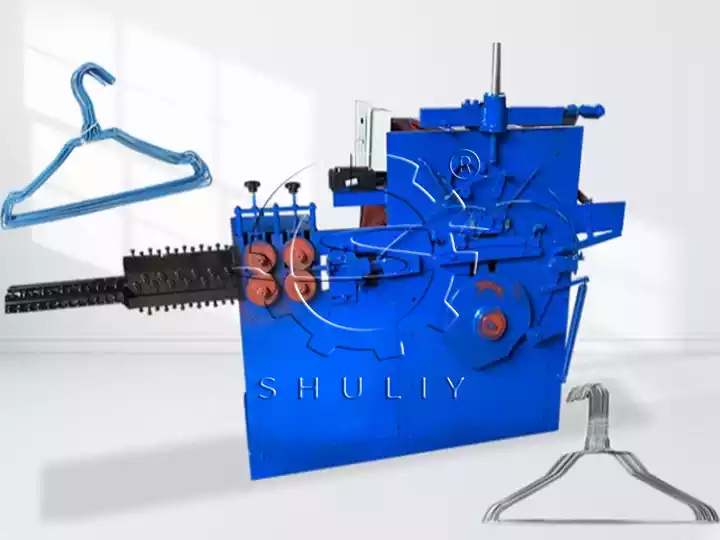
Cuando la empresa de confección Lagos-based Okonkwo Textiles decidió invertir en la producción de ganchos, enfrentó una pregunta crítica: máquina de ganchos de alambre vs máquina de ganchos de plástico – ¿cuál ofrecería mejores retornos? Tras un proceso de evaluación meticuloso de 4 semanas y 3 meses de datos operativos, los resultados revelan sorprendentes ideas sobre rentabilidad, demanda del mercado y costo total de propiedad. Este estudio de caso presenta el viaje completo de decisión con datos financieros reales.
Antecedentes del negocio: Proveedor de prendas de Lagos
El modelo de negocio existente de la empresa implicaba importar tanto ganchos de alambre como de plástico desde China para abastecer su red minorista. Sin embargo, enfrentaban desafíos crecientes:
Investigación de mercado en Nigeria (análisis de demanda)
Inestabilidad en el suministro:
- Los retrasos en importación promediaron entre 45 y 60 días debido a congestión portuaria Márgenes estrechos:
- Los costos de importación seguían aumentando, reduciendo los márgenes de beneficio a solo 15-20% Variabilidad de calidad:
- La calidad inconsistente de diferentes proveedores dañó las relaciones con los clientes Riesgo de moneda:
- La devaluación del naira aumentó los costos de importación en un 30% en 18 meses La producción local presentaba una solución atractiva, pero la pregunta fundamental seguía siendo: ¿qué tecnología elegir?
Antes de invertir, Okonkwo realizó una investigación de mercado exhaustiva en Lagos, Abuja y Kano. Sus hallazgos revelaron:
Confusión inicial y preguntas clave
Participación de mercado:
- Los ganchos de alambre representan el 60% de la demanda, los de plástico el 40% Puntos de precio:
- Los ganchos de alambre se venden a 0,08 dólares por pieza, los de plástico a 0,12 dólares por pieza Segmentos objetivo:
- Los ganchos de alambre dominan el mercado masivo; los ganchos de plástico sirven a marcas premium Tendencias de crecimiento:
- Ambos segmentos crecen entre un 8-10% anual, impulsados por el crecimiento poblacional y la expansión minorista El equipo directivo de Okonkwo identificó tres preguntas críticas que determinarían su decisión:
El crecimiento estable de la economía nigeriana y la expansión de la clase media crean una demanda sostenida para ambos tipos de ganchos.
Comparación exhaustiva – Máquinas de ganchos de alambre vs plástico
Pregunta de inversión:
- ¿Qué opción requiere menor inversión total y ofrece recuperación más rápida? Pregunta de mercado:
- ¿Qué producto tiene una demanda más fuerte y sostenible en Nigeria? Pregunta operativa:
- ¿Qué tecnología es más fácil de mantener con capacidades técnicas locales? Para encontrar respuestas, emprendieron un proceso estructurado de evaluación de 4 semanas.
Okonkwo creó una matriz de comparación detallada evaluando cada aspecto de ambas tecnologías. Esto fue lo que descubrieron:
Comparación de costos de inversión inicial
Ítem de costo
Análisis de costos de materia prima
| Máquina de Ganchos de Alambre (SL-400) | Máquina de Ganchos de Plástico | Diferencia | Precio del equipo |
|---|---|---|---|
| Alambre 36% más barato | $35,000 | $55,000 | Costos de molde |
| 2.000 dólares (1 conjunto) | 8.000 dólares (3 conjuntos) | Alambre 75% más barato | Instalación y capacitación |
| Alambre 40% más barato | $3,000 | $5,000 | Inversión total |
| Alambre 41% más barato | $40,000 | $68,000 | La máquina de ganchos de alambre requería mucho menos capital, un factor crucial para una pequeña empresa con acceso limitado a financiamiento. |
Alambre (galvanizado de 2mm)
Comparación de eficiencia de producción
| Material | Plástico (Pellets de PP) | Precio unitario | Precio del equipo |
|---|---|---|---|
| 0.8 dólares/kg | 1.2 dólares/kg | Alambre 33% más barato | Consumo por gancho |
| 0.03kg | 0.05kg | Costo de material por gancho | Inversión total |
| Alambre 60% más barato | $0.024 | $0.06 | Estabilidad en el suministro |
| Abundantes (proveedores locales) | Dependiente de importaciones | Más seguro con alambre | Métrica |
Los ganchos de alambre ofrecían una ventaja decisiva en costos de materia prima y seguridad en el suministro. Nigeria cuenta con múltiples fabricantes de alambre galvanizado, mientras que los pellets de plástico deben ser importados.
Demanda del mercado y márgenes de beneficio
| Máquina de Alambre | Máquina de Plástico | Ventaja | 1.800 piezas/hora |
|---|---|---|---|
| Capacidad de producción | 1.200 piezas/hora | Alambre 50% | Tiempo de cambio de molde |
| 10 minutos | 30 minutos | Alambre 67% más rápido | Tasa de desperdicio/recortes |
| Alambre 60% menos desperdicio | 2% | 5% | Requiere operadores |
| 2 personas | 3 personas | El alambre requiere un 33% menos de mano de obra | Consumo de energía |
| 3HP (2.2kW) | 5HP (3,7kW) | Alambre 41% menos energía | La producción de ganchos de alambre demostró una eficiencia superior en todos los métricos operativos. |
Ganchos de Alambre
El proceso de decisión – Cómo eligió el cliente
| Máquina de Alambre | Ganchos de plástico | Análisis | Precio mayorista |
|---|---|---|---|
| 0,08 dólares por pieza | 0.12 dólares/pieza | Plástico 50% más caro | Costo de producción |
| 0,03 dólares por pieza | 0.07 dólares/pieza | Alambre -57% más barato | Beneficio bruto por pieza |
| Igual | $0.05 | $0.05 | Margen Bruto |
| Alambre 50% mejor | 62.5% | 41.7% | Demanda del mercado |
| Alto (orientado a volumen) | Segmento medio (premium) | Diferentes posicionamientos | Mientras los ganchos de plástico tienen precios más altos, los ganchos de alambre ofrecen márgenes de beneficio superiores debido a costos de producción significativamente menores. |
Con datos completos, Okonkwo procedió con una fase de prueba práctica durante 4 semanas.
Semana 1-2: Pruebas de mercado (ambos tipos)
Okonkwo ordenó pequeños lotes de ambos tipos de ganchos, de diferentes proveedores, y realizó pruebas de mercado con 20 clientes clave:
Semana 3: Análisis financiero
Método de prueba:
- Distribuyó 5.000 muestras de cada tipo a socios minoristas Comentarios del cliente:
- El 75% prefirió ganchos de alambre para uso diario (ventaja de precio) Velocidad de ventas:
- Ganchos de alambre agotados en 3 días; los de plástico en 7 días Pedidos repetidos:
- Los ganchos de alambre generaron 3 veces más pedidos repetidos La prueba de mercado reveló una clara preferencia por los ganchos de alambre en el mercado sensible a precios de Nigeria.
El equipo financiero calculó proyecciones detalladas de ROI para ambos escenarios:
Semana 4: Decisión final y razones
Máquina de Ganchos de Alambre (SL-400):
- Inversión inicial: 40.000 dólares
- Producción mensual: 120.000 piezas
- Ingresos mensuales: 9.600 dólares
- Costes mensuales: 4.200 dólares (materiales 2.880 dólares mano de obra 800 dólares gastos generales 520 dólares)
- Beneficio neto mensual: 5.400 dólares
- Período de recuperación: 7,4 meses
- Máquina de Ganchos de Plástico:
- Inversión inicial: 68.000 dólares
- Producción mensual: 80.000 piezas
- Costes mensuales: 6.400 dólares (materiales 4.800 dólares mano de obra 1.000 dólares gastos generales 600 dólares)
- Costes mensuales: 4.200 dólares (materiales 2.880 dólares mano de obra 800 dólares gastos generales 520 dólares)
- Beneficio neto mensual: 3.200 dólares
- Período de recuperación: 21,3 meses
- El análisis financiero mostró que los ganchos de alambre recuperarían la inversión 3 veces más rápido.
Menor inversión:
Resultados después de 3 meses – ¿Fue correcta la elección?
El día 28, la junta de Okonkwo tomó su decisión final: Máquina de Ganchos de Alambre (SL-400). Los factores de decisión fueron:
- 40.000 dólares vs 68.000 dólares (crítico para el flujo de caja) Retorno de inversión más rápido:
- Período de recuperación: 7,4 meses vs 21,3 meses Seguridad en materia prima:
- Suministro local de alambre vs importación de plástico Ajuste al mercado:
- Los ganchos de alambre encajan mejor con su base de clientes Simplicidad operativa:
- Mantenimiento más sencillo y requisitos de habilidades menores El CEO de Okonkwo comentó: “La decisión no fue solo por números. Los ganchos de alambre encajan en nuestra realidad de mercado: los clientes quieren productos asequibles, duraderos, y podemos producirlos con materiales locales de manera rentable.”
Tres meses de operación proporcionaron respuestas definitivas.
Datos de rendimiento de ventas
Rendimiento real de octubre a diciembre de 2023:
Comentarios de clientes finales
Mes 1 (Octubre):
- 95.000 piezas producidas, 90.000 vendidas (95% de rotación) Mes 2 (Noviembre):
- 118.000 piezas producidas, 115.000 vendidas (97% de rotación) Mes 3 (Diciembre):
- 125.000 piezas producidas, 122.000 vendidas (98% de rotación) Total trimestral:
- 338.000 piezas producidas, 327.000 vendidas (97% de rotación promedio) Métricas financieras clave:
Ingresos trimestrales:
- 26.160 dólares (327.000 piezas × 0,08 dólares) Costes trimestrales:
- 12.870 dólares (materiales 7.860 mano de obra 2.700 gastos generales 2.310) Beneficio neto trimestral:
- Beneficio mensual promedio: $13,290
- ROI acumulado: $4,430
- 33.2% en 3 meses Okonkwo encuestó a 50 clientes minoristas para evaluar su satisfacción:
Comparación de ROI con proyecciones iniciales
Satisfacción general:
- Calificación positiva del 95% Tasa de recompra:
- El 88% (clientes que reordenan mensualmente) Principales ventajas citadas:
- Precios asequibles (mencionado por el 82%)
- Durabilidad y resistencia (mencionado por el 71%)
- Calidad consistente (mencionado por el 65%)
- Entrega rápida (mencionado por el 58%)
- Un cliente minorista comentó: “Los ganchos de alambre de Okonkwo son igual de buenos que los importados, pero un 20% más baratos y disponibles de inmediato. Es una decisión fácil.”
Proyectado
Asesoramiento experto – ¿Cuál deberías elegir?
| Máquina de Alambre | Real | Variación | Producción mensual |
|---|---|---|---|
| 120.000 piezas | 112,667 piezas | Ingresos mensuales | -6% |
| Beneficio mensual | $9,600 | $8,720 | -9% |
| Tasa de rotación de ventas | $5,400 | $4,430 | -18% |
| Satisfacción del cliente | 95% | 97% | +2% |
| Aunque las ganancias reales estuvieron ligeramente por debajo de las proyecciones (debido a la curva de aprendizaje en ramp-up), todas las métricas mostraron tendencias positivas mes a mes. A la trayectoria actual, Okonkwo espera lograr la recuperación total en 8-9 meses. | 90% | 95% | +5% |
Basándonos en la experiencia de Okonkwo y nuestro trabajo con más de 80 clientes en todo el mundo, aquí está nuestro marco de decisión:
Cuándo elegir máquina de ganchos de alambre
Restricción presupuestaria:
Cuándo elegir máquina de ganchos de plástico
- Presupuesto total de inversión por debajo de 50.000 dólares Mercado objetivo:
- Clientes del mercado masivo, sensibles al precio Disponibilidad de materiales:
- Proveedores locales de alambre galvanizado disponibles Prioridad de ROI rápido:
- Necesidad de recuperar la inversión en 12 meses Capacidad técnica:
- Personal técnico limitado (las máquinas de alambre son más sencillas) Volumen de mercado:
- Modelo de negocio de alto volumen, menor margen Disponibilidad presupuestaria:
Cuándo considerar ambos (enfoque híbrido)
- Presupuesto de inversión superior a 70.000 dólares Marcas premium, minoristas de lujo
- Clientes del mercado masivo, sensibles al precio Acceso a materiales:
- Cadena de suministro confiable de pellets de plástico Estrategia de diferenciación:
- Enfocarse en variedad de diseño y personalización Experiencia técnica:
- Equipo de operaciones experimentado Posición en el mercado:
- Nicho de volumen menor, mayor margen Los grandes fabricantes con presupuestos superiores a 150.000 dólares pueden adoptar una estrategia híbrida:
Explora nuestras especificaciones de máquina de ganchos de plástico para información técnica detallada.
Errores comunes a evitar
Ejemplo de caso:
- Un cliente sudafricano compró tanto máquinas de alambre como de plástico Portafolio de productos:
- 70% ganchos de alambre (negocio de volumen) 30% ganchos de plástico (segmento premium) Diversificación de riesgos:
- Atender múltiples segmentos de mercado Optimización de ingresos:
- Los ganchos de alambre generan flujo de caja; los ganchos de plástico construyen prestigio de marca Error 1: Miopía en el precio del equipo
Okonkwo Textiles, una empresa familiar de distribución de prendas fundada en 2008, provee ropa a más de 150 tiendas minoristas en Nigeria. Con ingresos anuales de 1,5 millones de dólares, reconocieron la oportunidad de diversificarse en la fabricación de ganchos tras experimentar interrupciones recurrentes en la cadena de suministro.
- – No se enfoque solo en el precio de la máquina. Calcule el costo total de propiedad incluyendo materias primas, energía, mano de obra y mantenimiento durante 5 años. Error 2: Saltarse la investigación de mercado
- – Nunca invierta sin validar la demanda local. Lo que funciona en Europa puede no funcionar en África o Asia. Error 3: Ignorar el suministro de materias primas
- – Asegurar un suministro estable y rentable de materias primas antes de comprometerse con una tecnología. Error 4: Ignorar el soporte postventa
- – Elegir proveedores con historial comprobado en su región. Los costos por tiempo de inactividad superan con creces los ahorros en equipo. comparación-de-ganchos
Para una guía completa, lee nuestra comparación ganchos de tela de alambre vs de plástico y la guía de materias primas.
¿Listo para comenzar tu viaje en producción de ganchos? Contáctanos para una recomendación personalizada basada en tu mercado, presupuesto y objetivos. Ofrecemos tanto máquinas de hacer ganchos como programas de capacitación integral.