
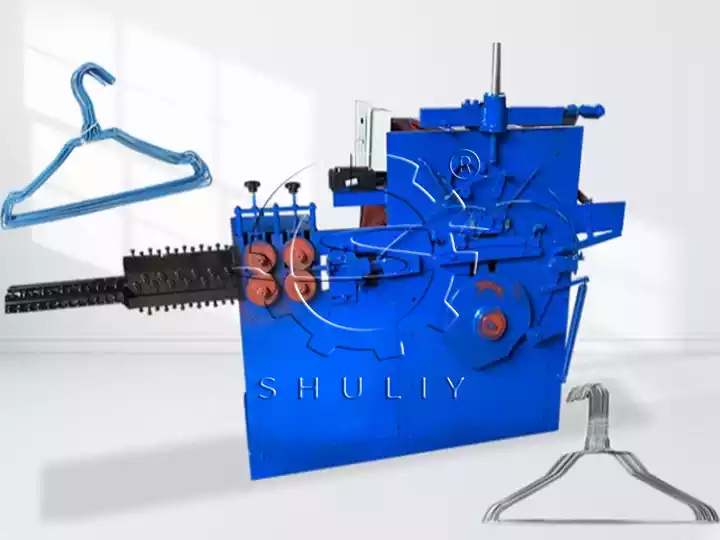
Lagos merkezli giyim tedarikçisi Okonkwo Tekstil, askı üretimine yatırım yapmaya karar verdiğinde, kritik bir soru ile karşılaştı: tel vs plastik askı makinesi – hangisi daha iyi getiri sağlayacak? Detaylı 4 haftalık değerlendirme süreci ve 3 aylık operasyonel verilerle, karlılık, piyasa talebi ve toplam sahip olma maliyetleri hakkında şaşırtıcı bilgiler ortaya çıktı. Bu vaka çalışması, gerçek finansal verilerle tam karar yolculuğunu sunuyor.
İş Geçmişi: Lagos Giyim Tedarikçisi
Şirketin mevcut iş modeli, Çin’den hem tel hem de plastik askı ithalatını içeriyordu, perakende ağlarını tedarik etmek için. Ancak, artan zorluklarla karşılaştılar:
Nijerya'da Piyasa Araştırması (Talep Analizi)
Tedarik İstikrarsızlığı:
- Gümrük gecikmeleri, liman tıkanıklığı nedeniyle ortalama 45-60 gün sürdü Dar Marjlar:
- İthalat maliyetleri artmaya devam etti, kar marjlarını sadece -20'ye sıkıştırdı Kalite Değişkenliği:
- Farklı tedarikçilerden gelen tutarsız kalite, müşteri ilişkilerini zedeledi Para Birimi Riski:
- Naira devalüasyonu, ithalat maliyetlerini 18 ayda 0 artırdı Yerel üretim cazip bir çözüm sundu, ama temel soru şu kaldı: hangi teknoloji seçilmeli?
Herhangi bir yatırıma başlamadan önce, Okonkwo Lagos, Abuja ve Kano’da kapsamlı piyasa araştırması yaptı. Bulguları şunları ortaya koydu:
Başlangıçta Karışıklık ve Ana Sorular
Piyasa Payı:
- Tel askılar talebin `'ını, plastik askılar @'ını oluşturuyor Fiyat Noktaları:
- Tel askılar, $0.08/adet fiyatla satılır, plastik askılar ise $0.12/adet Hedef Segmentler:
- Tel askılar kitlesel pazarı domine ediyor; plastik askılar premium markalara hizmet ediyor Büyüme Trendleri:
- Her iki segment de yıllık %8-10 büyüyor, nüfus artışı ve perakende genişlemesiyle destekleniyor Okonkwo’nun yönetim ekibi, kararlarını belirleyecek üç kritik soruyu tanımladı:
Nijerya ekonomisinin istikrarlı büyümesi ve genişleyen orta sınıf, her iki askı türü için de sürekli talep yaratıyor.
Kapsamlı Karşılaştırma – Tel ve Plastik Askı Makineleri
Yatırım Sorusu:
- Hangi seçenek daha düşük toplam yatırıma ihtiyaç duyuyor ve daha hızlı geri ödeme sağlıyor? Piyasa Sorusu:
- Hangi ürün, Nijerya’da daha güçlü ve sürdürülebilir talep görüyor? Operasyon Sorusu:
- Hangi teknoloji, yerel teknik yeteneklerle daha kolay bakım yapılabilir? Cevaplar bulmak için, yapılandırılmış 4 haftalık bir değerlendirme sürecine başladılar.
Okonkwo, her iki teknolojinin her yönünü değerlendiren detaylı bir karşılaştırma matrisi oluşturdu. İşte keşfettikleri:
Başlangıç Yatırım Maliyeti Karşılaştırması
Maliyet Kalemi
Ham Madde Maliyet Analizi
| Tel Askı Makinesi (SL-400) | Plastik Askı Makinesi | Fark | Ekipman Fiyatı |
|---|---|---|---|
| Tel 6 daha düşük | $35,000 | $55,000 | Kalıp Maliyetleri |
| 2.000$ (1 set) | 8.000$ (3 set) | Tel u daha düşük | Kurulum ve Eğitim |
| Tel @ daha düşük | $3,000 | $5,000 | Toplam Yatırım |
| Tel A daha düşük | $40,000 | $68,000 | Tel askı makinesi, önemli ölçüde daha az sermaye gerektiriyordu – küçük işletmeler için kritik bir faktör, sınırlı finansman erişimiyle. |
Tel (2mm Galvanize)
Üretim Verimliliği Karşılaştırması
| Malzeme | Plastik (PP Peletler) | Birim Fiyat | Ekipman Fiyatı |
|---|---|---|---|
| 0,8$/kg | 1,2$/kg | Tel 3 daha düşük | Kullanım başına tüketim |
| 0.03kg | 0.05kg | Askı başına Malzeme Maliyeti | Toplam Yatırım |
| Tel ` daha düşük | $0.024 | $0.06 | Tedarik İstikrarı |
| Bol (yerel tedarikçiler) | İthalata bağımlı | Tel daha güvenli | Metre |
Tel askılar, ham madde maliyetleri ve tedarik güvenliği açısından belirleyici bir avantaj sağladı. Nijerya’da birçok galvanize tel üreticisi bulunuyor, plastik peletler ise ithal edilmek zorunda.
Piyasa Talebi ve Kar Marjları
| Tel Makinesi | Plastik Makine | Avantaj | 1.800 adet/saat |
|---|---|---|---|
| Üretim Kapasitesi | Saatte 1.200 adet | Tel P | Kalıp Değiştirme Süresi |
| 10 dakika | 30 dakika | Tel g daha hızlı | İsraf/Atık Oranı |
| Tel ` daha az atık | 2% | 5% | Gerekli Operatör Sayısı |
| 2 kişi | 3 kişi | Tel 3 daha az iş gücü gerektirir | Güç Tüketimi |
| 3HP (2.2kW) | 5HP (3.7kW) | Tel A daha az enerji | Tel askı üretimi, tüm operasyonel metriklerde üstün verimlilik gösterdi. |
Tel Askılar
Karar Süreci – Müşteri Nasıl Seçti
| Tel Makinesi | Plastik Askılar | Analiz | Toptan Fiyat |
|---|---|---|---|
| $0.08/adet | $0.12/adet | Plastik P daha yüksek | Üretim Maliyeti |
| $0.03/adet | $0.07/adet | Tel -W daha düşük | Birim Başına Brüt Kar |
| Eşit | $0.05 | $0.05 | Brüt Marj |
| Tel P daha iyi | 62.5% | 41.7% | Piyasa Talebi |
| Yüksek (hacim odaklı) | Orta (premium segment) | Farklı konumlandırma | Plastik askılar daha yüksek fiyatlara sahip olsa da, tel askılar çok daha düşük üretim maliyetleri nedeniyle daha yüksek kar marjı sağlar. |
Kapsamlı verilerle donanmış Okonkwo, 4 hafta süren pratik test aşamasına geçti.
Hafta 1-2: Piyasa Testleri (Her İki Tür)
Okonkwo, farklı tedarikçilerden küçük partiler halinde hem tel hem de plastik askılar sipariş etti ve 20 ana müşteriyle piyasa testleri yaptı:
3. Hafta: Finansal Analiz
Test Yöntemi:
- Her iki türden 5.000 örnek dağıttı perakende ortaklarına Müşteri Geri Bildirimi:
- u günlük kullanım için tel askıları tercih etti (fiyat avantajı) Satış Hızı:
- Tel askılar 3 günde tükendi; plastik askılar 7 günde Yeniden Siparişler:
- Tel askılar, 3 kat daha fazla tekrar sipariş aldı Piyasa testi, Nijerya’nın fiyat duyarlı pazarında tel askılara açık bir tercih olduğunu gösterdi.
Finans ekibi, her iki senaryo için detaylı YGİ projeksiyonları hesapladı:
4. Hafta: Son Karar ve Nedenler
Tel Askı Makinesi (SL-400):
- Başlangıç Yatırımı: 40.000$
- Aylık Üretim: 120.000 adet
- Aylık Gelir: 9.600$
- Aylık Maliyetler: 4.200$ (malzeme 2.880$ işçilik 800$ genel gider 520$)
- Aylık Net Kar: 5.400$
- Geri Ödeme Süresi: 7.4 ay
- Plastik Askı Makinesi:
- Başlangıç Yatırımı: 68.000$
- Aylık Üretim: 80.000 adet
- Aylık Maliyetler: 6.400$ (malzeme 4.800$ işçilik 1.000$ genel gider 600$)
- Aylık Maliyetler: 4.200$ (malzeme 2.880$ işçilik 800$ genel gider 520$)
- Aylık Net Kar: 3.200$
- Geri Ödeme Süresi: 21.3 ay
- Finansal analiz, tel askıların yatırımı 3 kat daha hızlı geri kazanacağını gösterdi.
Daha Düşük Yatırım:
3 Ay Sonrası Sonuçlar – Doğru Seçim miydi?
28. Gün sonunda, Okonkwo’nun yönetim kurulu son kararını verdi: Tel Askı Makinesi (SL-400). Karar faktörleri şunlardı:
- 40.000$ vs 68.000$ (nakit akışı için kritik) Daha Hızlı YGİ:
- 7.4 ay vs 21.3 ay geri ödeme Ham Madde Güvenliği:
- Yerel tel tedariki vs ithal plastik Piyasa Uygunluğu:
- Tel askılar, müşteri tabanlarına daha iyi uydu Operasyonel Basitlik:
- Bakım ve düşük beceri gereksinimi daha kolay Okonkwo’nun CEO’su şöyle dedi: “Karar sadece sayılarla ilgili değildi. Tel askılar, pazar gerçekliğimize uyuyor – müşteriler uygun fiyatlı, dayanıklı ürünler istiyor ve biz bunları yerel malzemelerle karlı bir şekilde üretebiliyoruz.”
Üç ay operasyon, kesin cevaplar sağladı.
Satış Performansı Verileri
Ekim-Aralık 2023 gerçek performansı:
Son Kullanıcı Geri Bildirimi
Ay 1 (Ekim):
- 95.000 adet üretildi, 90.000 satıldı (yüzde 95 satış oranı) İkinci Ay (Kasım):
- 118.000 adet üretildi, 115.000 satıldı (yüzde 97 satış oranı) 3. Ay (Aralık):
- 125.000 adet üretildi, 122.000 satıldı (yüzde 98 satış oranı) Çeyrek Toplam:
- 338.000 adet üretildi, 327.000 satıldı (yüzde 97 ortalama satış oranı) Ana finansal göstergeler:
Çeyrek Gelir:
- 26.160$ (327.000 adet × 0,08$) Çeyrek Maliyetler:
- 12.870$ (malzeme $7.860 işçilik $2.700 genel gider $2.310) Çeyrek Net Kar:
- Aylık Ortalama Kar: $13,290
- Kümülatif YGİ: $4,430
- 3 ayda 3,2 Okonkwo, 50 perakende müşterisini memnuniyetlerini değerlendirmek için anket yaptı:
Başlangıç Projeksiyonlarıyla YGİ Karşılaştırması
Genel Memnuniyet:
- Yüzde 95 olumlu değerlendirme Yeniden Satın Alma Oranı:
- Tekrar Satın Alma Oranı: En Çok Vurgulanan Avantajlar:
- Uygun fiyatlandırma (yüzde 82 tarafından belirtilmiştir)
- Dayanıklılık ve güç (yüzde 71 tarafından belirtilmiştir)
- Tutarlı kalite (yüzde 65 tarafından belirtilmiştir)
- Hızlı teslimat (yüzde 58 tarafından belirtilmiştir)
- Bir perakende müşterisi şöyle dedi: “Okonkwo’nun tel askıları, ithal olanlar kadar iyi, ama daha ucuz ve hemen mevcut. Bu bir beyin kararı değil.”
Projeksiyon
Uzman Tavsiyesi – Hangisini Seçmelisiniz?
| Tel Makinesi | Gerçek | Varyans | Aylık Üretim |
|---|---|---|---|
| 120.000 adet | 112.667 adet | Aylık Gelir | -6% |
| Aylık Kar | $9,600 | $8,720 | -9% |
| Satış Oranı | $5,400 | $4,430 | -18% |
| Müşteri Memnuniyeti | 95% | 97% | +2% |
| Gerçek karlar, projeksiyonların biraz altında olsa da (yükseltme öğrenme eğrisi nedeniyle), tüm metrikler ay ay olumlu yönde ilerliyor. Mevcut seyirle, Okonkwo 8-9 ay içinde tam geri dönüşü bekliyor. | 90% | 95% | +5% |
Okonkwo’nun deneyimi ve dünya genelinde 80’den fazla müşteriyle çalışmamızdan yola çıkarak, karar çerçevesi:
Tel Askı Makinesi Ne Zaman Seçilmeli
Bütçe Kısıtı:
Plastik Askı Makinesi Ne Zaman Seçilmeli
- Toplam yatırım bütçesi 50.000$ altında Hedef Pazar:
- Kitle pazarı, fiyat duyarlı müşteriler Malzeme Erişimi:
- Yerel galvanizli tel tedarikçileri mevcut Hızlı YGİ Önceliği:
- Yatırımın 12 ay içinde geri kazanılması gerekiyor Teknik Yetenek:
- Sınırlı teknik personel (tel makineleri daha basit) Piyasa Hacmi:
- Yüksek hacimli, düşük kar marjlı iş modeli Bütçe Mevcudiyeti:
Her İki Seçeneği de Düşünmek İçin Ne Zaman (Hibrit Yaklaşım)
- Yatırım bütçesi 70.000$’ın üzerinde Premium markalar, lüks perakendeciler
- Kitle pazarı, fiyat duyarlı müşteriler Malzeme Erişimi:
- Güvenilir plastik pelet tedarik zinciri Farklılaştırma Stratejisi:
- Tasarım çeşitliliği ve özelleştirmeye odaklanın Teknik Uzmanlık:
- Deneyimli operasyon ekibi Piyasa Konumu:
- Daha düşük hacimli, yüksek kar marjlı niş Bütçeleri 150.000$’ı aşan büyük üreticiler hibrit strateji benimseyebilir:
Detaylı teknik bilgiler için plastik askı yapım makinesi özelliklerimizi inceleyin.
Kaçınılması Gereken Yaygın Hatalar
Vaka Örneği:
- Güney Afrika’dan bir müşteri hem SL-400 (tel) hem de plastik makineleri satın aldı Ürün Portföyü:
- p tel askılar (hacim işi) 0 plastik askılar (premium segment) Risk Çeşitlendirmesi:
- Birden fazla piyasa segmentine hizmet Gelir Optimizasyonu:
- Tel askılar nakit akışı sağlar; plastik askılar marka prestiji oluşturur Hata 1: Ekipman Fiyatı Miyopisi
Okonkwo Tekstil, 2008’de kurulan aileye ait bir giyim dağıtım işi, Nijerya genelinde 150’den fazla perakende mağazasına kıyafet tedarik ediyor. Yıllık geliri 1,5 milyon dolar olan firma, sürekli tedarik zinciri aksaklıkları yaşadıktan sonra askı üretimine geçme fırsatını fark etti.
- – Sadece makine fiyatına odaklanmayın. Ham madde, enerji, işçilik ve bakım dahil toplam sahip olma maliyetini 5 yıl boyunca hesaplayın. Hata 2: Piyasa Araştırmasını Atlamak
- – Yerel talebi doğrulamadan yatırım yapmayın. Avrupa’da işe yarayan, Afrika veya Asya’da yaramayabilir. Hata 3: Ham Madde Tedarikini Görmezden Gelmek
- – Yatırım yapmadan önce, stabil ve maliyet etkin ham madde tedarikini sağlayın. Hata 4: Satış Sonrası Destekleri Göz Ardı Etmek
- – Güvendiğiniz bölgenizde kanıtlanmış tedarikçileri seçin. Arıza süresi maliyetleri, ekipman tasarruflarını katlar. müşteri-vaka
Kapsamlı rehberlik için, plastik vs tel kumaş askıları karşılaştırmamızı ve ham madde rehberimizi okuyun.
Askı üretim yolculuğunuzu başlatmaya hazır mısınız? Bize ulaşın, pazarınıza, bütçenize ve hedeflerinize göre özelleştirilmiş öneriler sunalım. Hem giysi askısı yapım makineleri hem de kapsamlı eğitim programları sağlıyoruz.