
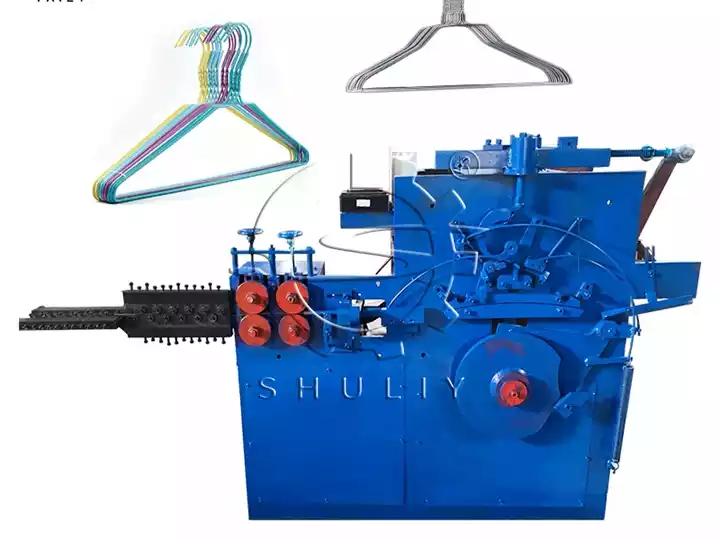
The global hanger market represents a multi-billion dollar industry with consistent demand across retail, hospitality, laundry services, and household segments. For entrepreneurs seeking sustainable business opportunities, clothes wire hanger machines offer a compelling entry point into manufacturing with relatively low initial investment compared to other industrial equipment. This comprehensive guide explores proven strategies for generating profit through hanger production, from raw material sourcing to diversified sales channels.
Understanding the Hanger Market Opportunity
Before investing in wire hanger making equipment, understanding market dynamics helps validate your business decision. The apparel industry’s steady growth, combined with the disposability of low-cost hangers, creates continuous replacement demand.
Market Drivers
- Apparel Industry Growth: Global clothing production increases 5-8% annually, directly correlating with hanger demand
- Hospitality Sector: Hotels, resorts, and laundromats require bulk hanger replacement
- Retail Presentation: Clothing retailers need consistent hanger supply for displays and packaging
- Metal Recycling Initiatives: Environmental concerns drive demand for recycled wire hangers
Raw Materials: Metal Recycling and Profit Margin
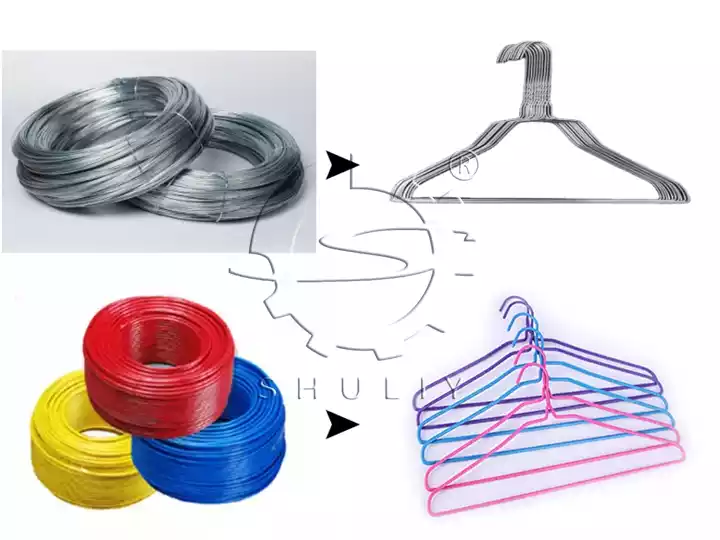
The foundation of this business lies in the raw material—metal wires, particularly iron. As global resources become more limited, the metal recycling industry is thriving, offering substantial economic advantages. Entrepreneurs can purchase scrap metal at low prices and process it using hanger machines to produce valuable products.
Understanding Wire Specifications
Quality hanger production requires specific wire specifications. Our hanger production line expertise shows that wire diameter and material quality directly affect finished product quality.
| Wire Type | Diameter | Typical Cost | Best Use |
|---|---|---|---|
| Galvanized Iron Wire | 1.8-2.2mm | $600-800/ton | Standard wire hangers |
| PVC Coated Wire | 2.8-3.6mm | $800-1200/ton | Plastic-coated hangers |
| Stainless Steel Wire | 1.5-2.0mm | $2000-3000/ton | Premium hangers |
| Scrap Metal | Mixed | $200-400/ton | Cost reduction strategy |
The profitability in this sector mainly stems from the gap between the cost of acquiring scrap metal and the selling price of the finished hangers. Purchasing scrap metal in bulk also helps lower costs and boost profit margins.
Cost Analysis Example
- Raw Material Cost: $700/ton for galvanized wire
- Wire Consumption: Approximately 28kg produces 1,000 hangers
- Material Cost per Hanger: $0.70 (raw material only)
- Other Costs: Labor $0.05, Energy $0.02, Packaging $0.01
- Total Production Cost: $0.08-0.10 per hanger
- Wholesale Price: $0.15-0.25 per hanger
- Gross Margin: 40-60% depending on market positioning
Business Model 1: Retail Sales
Retail sales benefit from high profit margins per unit since these hangers are often priced higher because of their quality and distinctive features. By producing hangers and selling them directly to consumers via online platforms or physical stores like home goods retailers, entrepreneurs can create a reliable source of income.
Setting Up Retail Operations
- Direct-to-Consumer Online: E-commerce platforms like Amazon, eBay, or your own website
- Local Retail Partnerships: Home goods stores, department stores, and specialty shops
- Boutique Positioning: Premium hangers with unique designs for high-end clothing stores
- Subscription Services: Monthly hanger delivery to households or businesses
Retail Pricing Strategy
| Hanger Type | Production Cost | Retail Price | Margin |
|---|---|---|---|
| Basic Wire | $0.08 | $0.35-0.50 | 77-84% |
| Plastic-Coated | $0.12 | $0.50-0.80 | 76-85% |
| Premium/Designer | $0.20 | $1.00-2.00 | 80-90% |
Business Model 2: Wholesale Distribution
Wholesale distribution offers a great opportunity for businesses aiming for rapid growth. By producing hangers in large quantities and supplying them to retailers, interior designers, or hotels, entrepreneurs can broaden their market presence and boost sales. Securing long-term contracts with bulk buyers helps create a reliable income source and enhances business stability.
Target Wholesale Customers
- Dry Cleaners: High-volume regular customers needing consistent supply
- Hotels and Hospitality: Annual contracts for guest room and facility hangers
- Retail Chains: Department stores and clothing retailers for in-store displays
- Laundromats: Replacement hangers for customer returns
- Garment Manufacturers: Hangers for clothing production and packaging
Wholesale Volume Requirements
Wholesale customers typically require minimum order quantities (MOQs) of 5,000-10,000 units per order. Our experience shows that offering tiered pricing encourages larger orders:
| Order Quantity | Price per Unit | Typical Margin |
|---|---|---|
| 1,000-5,000 | $0.18-0.22 | 50-60% |
| 5,000-10,000 | $0.14-0.18 | 40-50% |
| 10,000+ | $0.10-0.14 | 30-40% |
Business Model 3: Customized Production
Customization presents a profitable opportunity in this industry. Numerous consumers and businesses have particular needs for hangers, including distinctive designs, branding, or specific dimensions. Providing custom manufacturing services can give a competitive edge by catering to these specialized markets.
Customization Options
- Logo Printing: Corporate logos on hangers for hotels and brands
- Custom Colors: Specific colors matching brand guidelines
- Special Shapes: Custom hook designs or non-standard sizes
- Retail Packaging: Branded packaging for retail presentation
- Gift Sets: Premium packaged sets for retail gifting
Custom manufacturing typically commands higher prices because of the enhanced value that personalization and customization bring. By investing in advanced hanger machines capable of precise and adaptable designs, entrepreneurs can accommodate a wide range of custom orders.
Diversifying Revenue Streams
Experienced hanger entrepreneurs combine multiple business models to maximize revenue and reduce risk. A typical diversified approach includes:
- 60% Wholesale: Contract customers providing stable monthly income
- 25% Retail: Higher-margin direct sales through multiple channels
- 15% Custom: Premium products commanding highest margins
Building Sustainable Competitive Advantage
Long-term success in hanger manufacturing requires building sustainable competitive advantages beyond just price competition.
- Quality Consistency: Deliver uniform products every batch
- Reliable Delivery: Meet delivery commitments consistently
- Customer Service: Responsive communication and problem resolution
- Product Development: Continuously introduce new hanger designs
- Vertical Integration: Consider backward integration into wire supply
Frequently Asked Questions
How much initial investment is needed to start a hanger business?
A basic hanger making machine costs $3,000-8,000, with additional $2,000-5,000 for raw materials and workspace setup. Total initial investment typically ranges from $5,000-15,000 for a small-scale operation with one machine.
What is the realistic payback period for a hanger machine investment?
With proper market establishment, most hanger businesses achieve payback within 8-14 months. Factors affecting payback include local market demand, pricing strategy, and operational efficiency. High-volume wholesale contracts accelerate ROI.
How do I find reliable raw material suppliers?
Source galvanized wire from local metal suppliers, hardware wholesalers, or industrial wire distributors. Building relationships with multiple suppliers ensures competitive pricing and supply security. Consider joining industrial buying groups for bulk pricing.
What are the biggest challenges in the hanger business?
Main challenges include: price competition from low-cost importers, maintaining consistent quality, managing production costs during metal price fluctuations, and securing long-term customer contracts against established competitors.
Can I operate a hanger business from home?
Small-scale production is possible from a garage or small workshop requiring approximately 200-400 square feet. However, you need proper ventilation, electrical supply (typically 220V single or three-phase), and storage space for raw materials and finished products.
What marketing strategies work best for hanger businesses?
B2B marketing through direct sales calls to dry cleaners, hotels, and retailers is most effective. Trade show participation builds credibility. Online presence through LinkedIn and industry directories helps B2B customer discovery. Focus on reliability and quality as differentiators.
The hanger manufacturing business offers genuine opportunities for entrepreneurs willing to invest time in market development and quality control. With relatively low equipment investment compared to other manufacturing sectors, manageable operational requirements, and consistent market demand, wire hanger production represents an accessible entry point into industrial manufacturing.
We are a manufacturer of clothes wire hanger machines with more than 20 years of experience in processing and exporting with very favorable prices. Our high-speed hanger machines enable efficient production while maintaining the quality that customers expect. Contact us for detailed equipment specifications and business consultation.